U.S. Navy ships gather in the Caribbean under the pretext of cracking down on drug cartels, and the U.S. president signs an executive order imposing a 25% retaliatory tariff on all countries importing Venezuelan oil. In response, Venezuelan President Nicolás Maduro publicly exclaims “xièxiè (thank you)” in broken Chinese, flaunts his “all-weather strategic partnership” with Xi Jinping, and praises Huawei’s technology.
In the summer of 2025, these scenes evoke déjà vu for those familiar with history: an anti-American nation in Latin America, America’s “backyard,” rising as a geopolitical flashpoint by aligning with Washington’s greatest rival. The resemblance to the 1962 Cuban Missile Crisis, which brought humanity to the brink of nuclear war, is chilling.

The Ghost of the Past: Cuban Missile Crisis
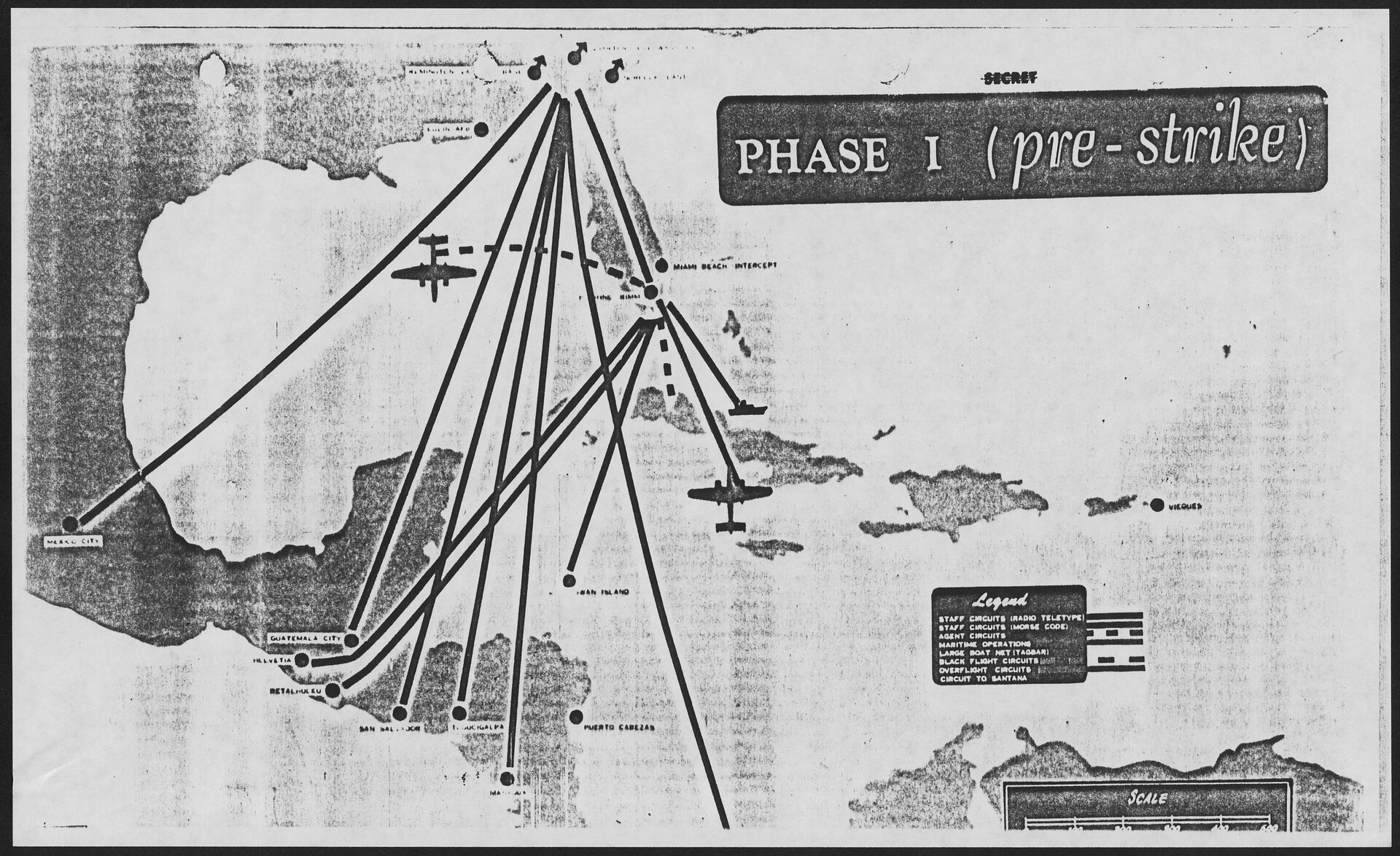
In 1962, during the Cold War, the U.S. discovered Soviet nuclear missiles being deployed in Cuba. After the failed Bay of Pigs invasion, Fidel Castro sought Soviet protection, and Moscow responded by constructing missile bases in Cuba as a counter to U.S. Jupiter missiles in Turkey. President John F. Kennedy responded with a naval blockade, demanding missile withdrawal, and the world held its breath through 13 tense days as nuclear war seemed imminent.
Parallels: Structure and Motive
The current U.S.-China proxy standoff over Venezuela recalls this ghost of the past.
Battlefield of the Middle Ground: Just as Cuba was a proxy battleground for the U.S. and USSR, Venezuela has become a hotspot of U.S.-China rivalry. Venezuela leans on Chinese economic and technological backing, echoing Cuba’s reliance on Soviet aid.
Rising Military Tensions: The U.S. Navy’s presence near Venezuela under the banner of anti-cartel operations mirrors Kennedy’s naval blockade of Cuba—an implicit threat of direct confrontation.
Symbolic Gestures of Alignment: Maduro’s overt “love for China” mirrors Castro’s open declaration of socialist solidarity with the USSR, signaling, “We are on your enemy’s side.”

Key Differences
Nuclear Weapons vs. Resource Cards: The Cuban crisis involved existential nuclear threats; today’s Venezuela standoff revolves around oil, gas, and technology supply chains.
Economic Interdependence: Unlike the isolated U.S.-USSR duel of the 1960s, today’s U.S. and China are deeply interdependent economically—limiting escalation.
Multipolar World: Unlike the bipolar Cold War, today’s global stage includes EU, India, Russia, and others, who may mediate or buffer tensions.
Outlook: A Prolonged “New Cold War”
The Venezuela issue suggests not sudden war, but a drawn-out contest of sanctions, technological embargoes, and diplomatic isolation.
For Maduro, China offers survival guarantees; for Washington, the specter of a Caribbean adversary rekindles Cold War trauma. If the Cuban Missile Crisis nearly ended the world in 13 days, the Venezuelan crisis shows how the 21st century’s “New Cold War” could instead drag on as a prolonged, grinding conflict.
'English' 카테고리의 다른 글
| September 2, "World Coconut Day" (0) | 2025.09.02 |
|---|---|
| Cases of Tattoos on Male Genitals (0) | 2025.08.26 |
| August 24, Kobe Bryant Day (0) | 2025.08.24 |
| The World’s Largest Maritime Festival, SAIL Amsterdam (0) | 2025.08.23 |
| Did you know there’s a day to celebrate Hawaiian pizza? (0) | 2025.08.22 |


