“Isn’t toilet paper supposed to be white?”
For most of us, the answer is an obvious yes. But if you’ve ever encountered a chic black roll at a European boutique hotel or remember pale pink paper at your grandmother’s house, that certainty might waver.
In fact, there was a time when toilet paper flaunted bold colors as a statement piece. Let’s dive into the daring attempts to turn bathrooms into fashion spaces—and why, in the end, we always come back to pure white.
The Glamorous Outing of Colored Toilet Paper: Turning the Bathroom into a Canvas
Tired of the monotony of all-white, some turned the most ordinary bathroom item into a bold canvas.
1. Black Toilet Paper: A Symbol of Luxury and Boldness
In 2005, Portuguese paper company Renova shocked the world by launching striking black toilet paper. Marketed as a “bathroom fashion item,” it became a high-end accessory in upscale restaurants, clubs, and hotels, symbolizing exclusivity.
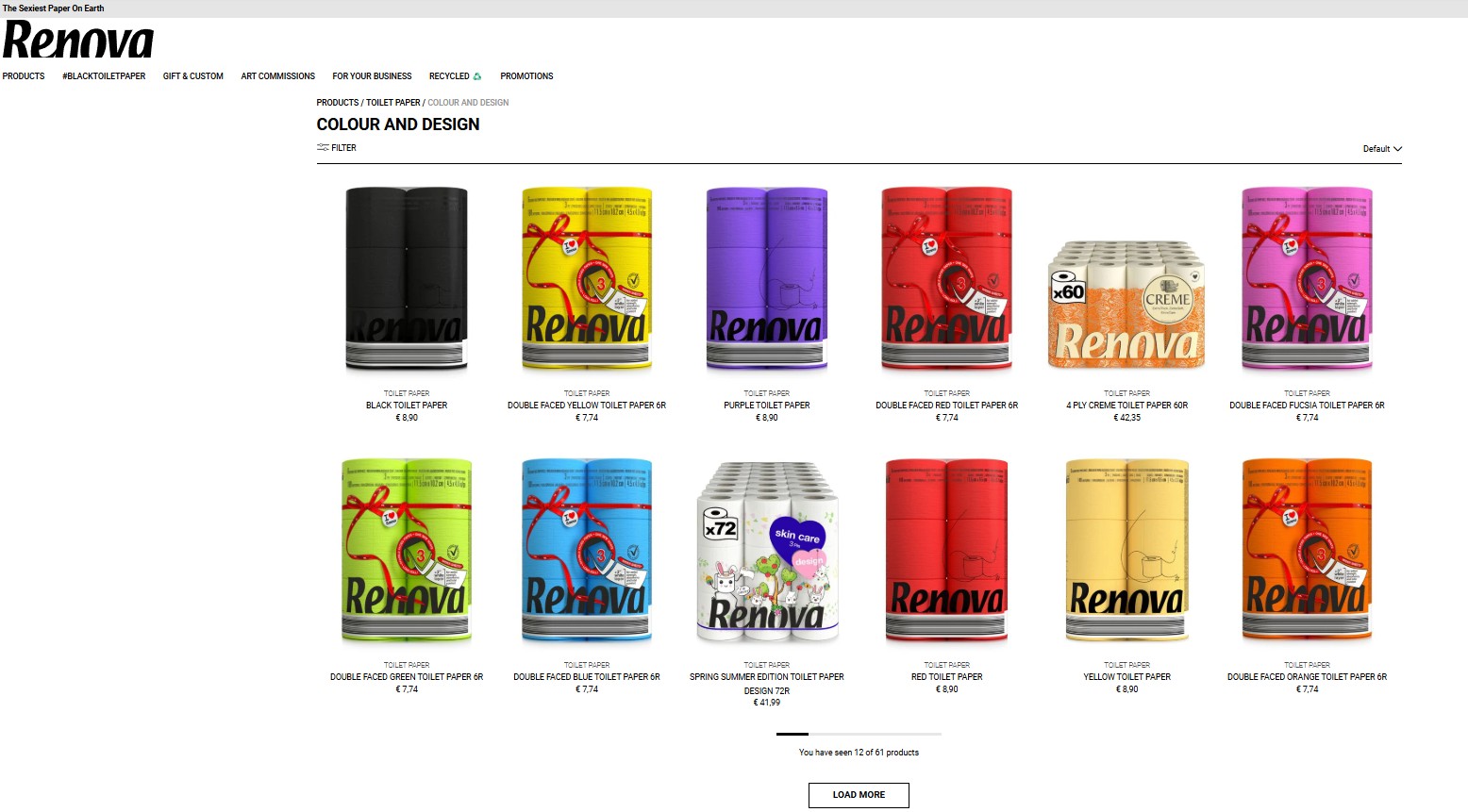
The trend became even more extravagant among the wealthy in the UAE and Saudi Arabia, where black, gold, and even silver rolls were used for parties and events. Priced 5–10 times higher than regular paper, they served as the ultimate display of rarity and opulence.
2. Pastel-Toned Paper for Interior Matching
Colored toilet paper’s heyday was in the U.S. from the 1950s to 70s. Bathroom interiors in avocado green or pastel pink inspired matching pink, blue, and yellow rolls, which sold rapidly. In Japan, pastel-scented rolls were a premium choice in the 70s and 80s.
So Why Is Toilet Paper Ultimately White?
Despite its colorful history, toilet paper returned to white for several practical reasons.
1. Health and Safety Concerns
By the 1980s, medical warnings emerged about dyes causing skin irritation or allergies. Being a product used on sensitive areas, consumers grew wary of unnecessary chemicals.
White also serves as an important health indicator—making it easier to spot blood or irregularities.

2. Environmental and Cost Factors
Dyeing requires extra chemical processes, which harm the environment and increase costs—deterring most consumers from paying more for an everyday necessity.
3. The Psychological Standard of ‘Clean’
White is universally associated with cleanliness, purity, and safety. The bleaching process not only whitens fibers but also removes residue and odors. Consumers naturally feel more assured using white toilet paper.
In the end, what we expect from toilet paper isn’t bold personality but trusted safety and cleanliness. Bathroom trends may come and go, but the value of the “basic” never fades.
'English' 카테고리의 다른 글
| The Color of Men, Pink (1) | 2025.08.18 |
|---|---|
| There Is Only One Bridge Over the Amazon River (1) | 2025.08.17 |
| Palace on the Sea or Carbon Monster (1) | 2025.08.15 |
| Recent Scandals Shaking Japanese Sports (0) | 2025.08.14 |
| Racing Toward the Sky: Vertical Marathons (Towerrunning) Around the World (2) | 2025.08.13 |


