A symbol of billionaires, and the ultimate space for private leisure and networking. The “superyacht,” referring to luxury yachts over 24 meters in length, has evolved beyond being just a boat into a floating palace on the sea, valued even more than real estate.
However, behind the glamorous exterior lurks an uncomfortable label: “climate villain.” Recently, Google co-founder Sergey Brin faced criticism for emitting massive amounts of carbon through his superyacht Dragonfly, contradicting his eco-friendly image. This is not a problem limited to Brin alone.
Billionaires’ Playground: The State of the Superyacht Market
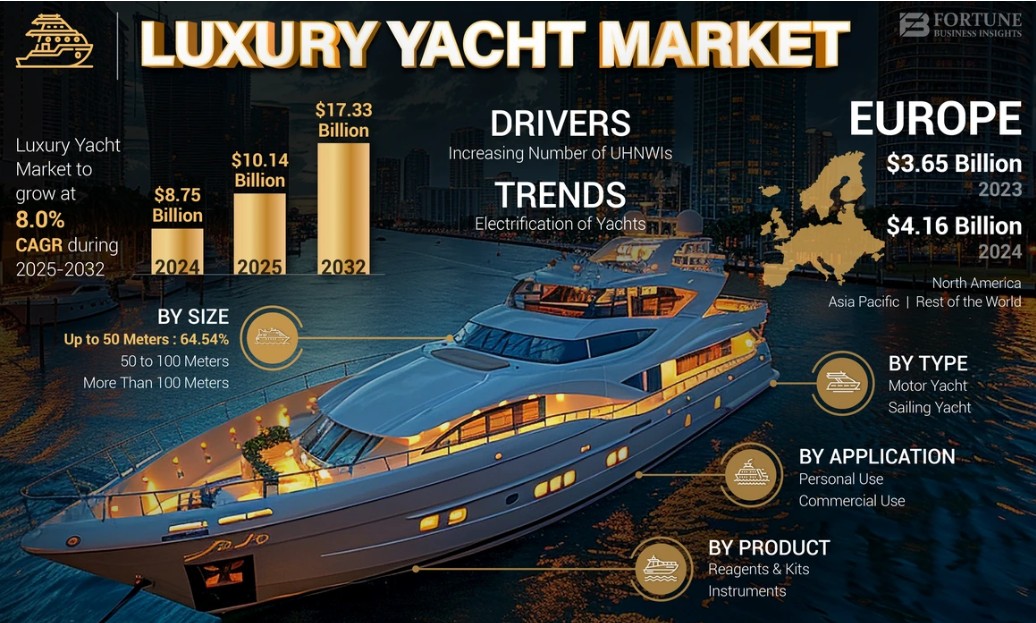
The superyacht market has exploded in growth since the pandemic. With soaring demand for private travel, billionaires around the world are pouring vast sums into owning their own “moving islands.” According to Fortune Business Insights, the global superyacht market—worth about 8.48 billion USD in 2023—is projected to grow to 13.65 billion USD by 2030.
“Moving Islands” Dominating the Seas
Today’s superyachts go beyond displays of wealth—they embody their owners’ philosophies and cutting-edge technology.

▲ Koru — Jeff Bezos :
Amazon founder Jeff Bezos spent about 500 million USD on this 127-meter sailing yacht, the largest of its kind in the world. It features three massive masts and famously required the dismantling of the historic Dutch bridge “De Hef” to reach the sea. It is accompanied by a 75-meter support vessel with a helipad and swimming pool.
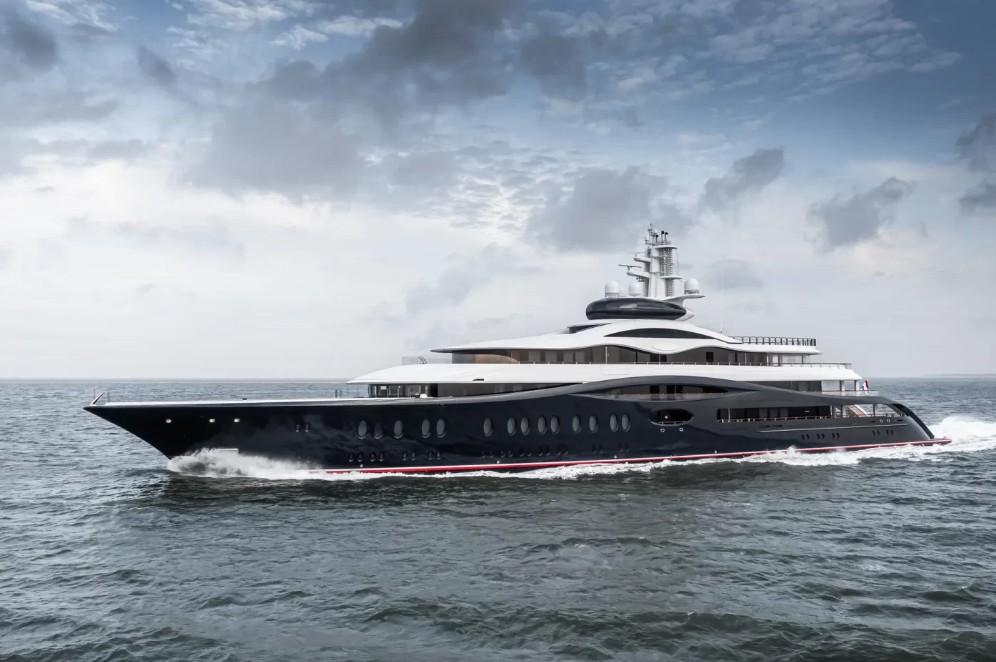
▲ Launchpad — Mark Zuckerberg :
Meta CEO Mark Zuckerberg’s newly acquired 118-meter superyacht, valued at around 300 million USD, also comes with its own support vessel—showing how yacht ownership has become a trend among tech tycoons.
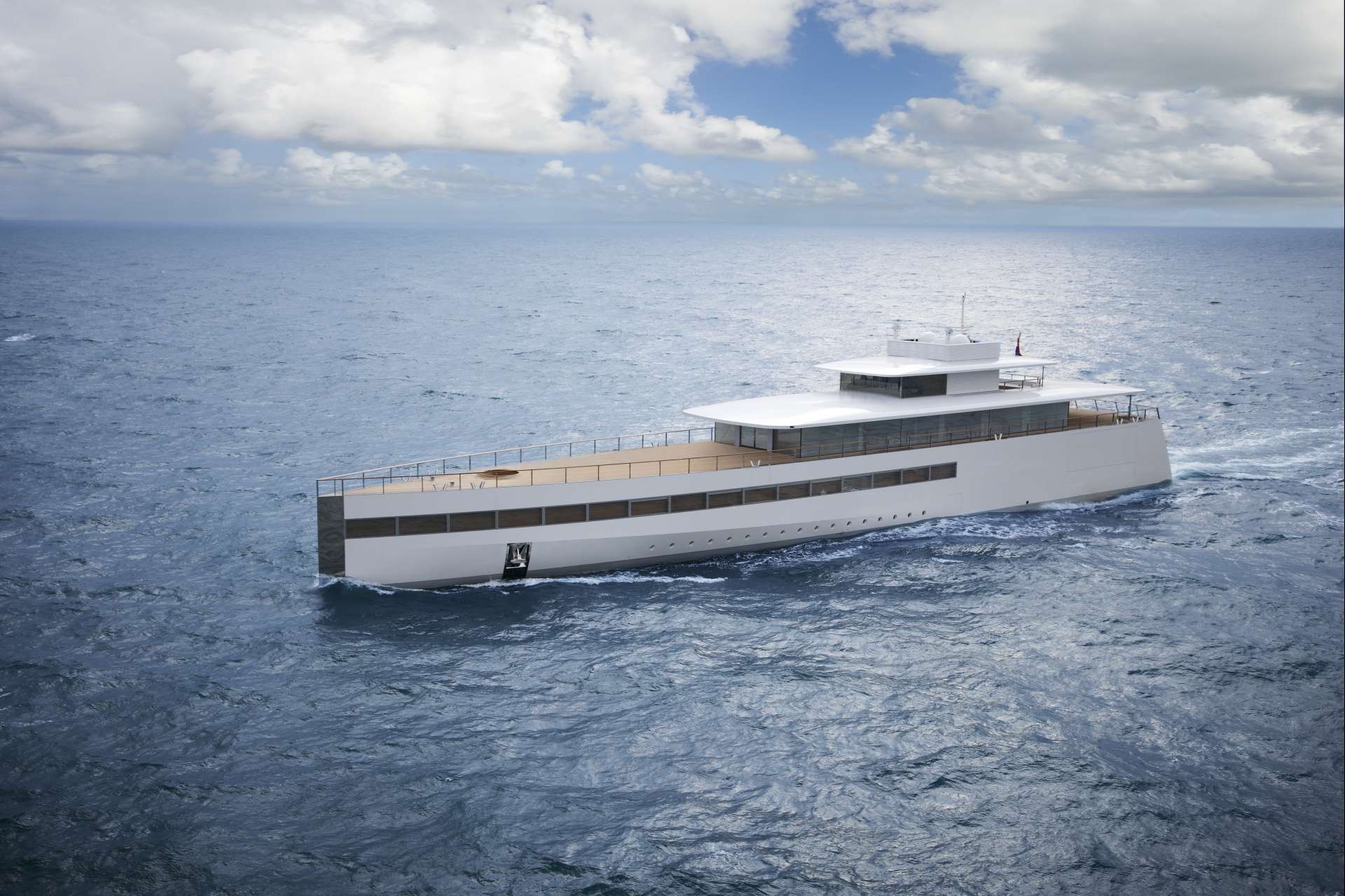
▲ Venus — Steve Jobs’ Legacy :
Commissioned by Apple co-founder Steve Jobs and designed by Philippe Starck, this 78-meter aluminum yacht with its minimalist lines and huge glass panels resembles a floating Apple Store. It is now owned by Jobs’ widow, Laurene Powell Jobs.
The Price of Luxury: Superyachts’ Environmental Impact
These palaces transform into “carbon monsters” once they start moving.
▶ Staggering Carbon Footprint :
A 2021 study in Impacts found that a single superyacht emits around 7,020 tons of CO₂ annually—equivalent to the yearly emissions of 1,500 passenger cars and about 1,500 times the average annual emissions of a UK citizen. Continuous diesel engine use for swimming pools, theaters, and air conditioning drives this consumption.
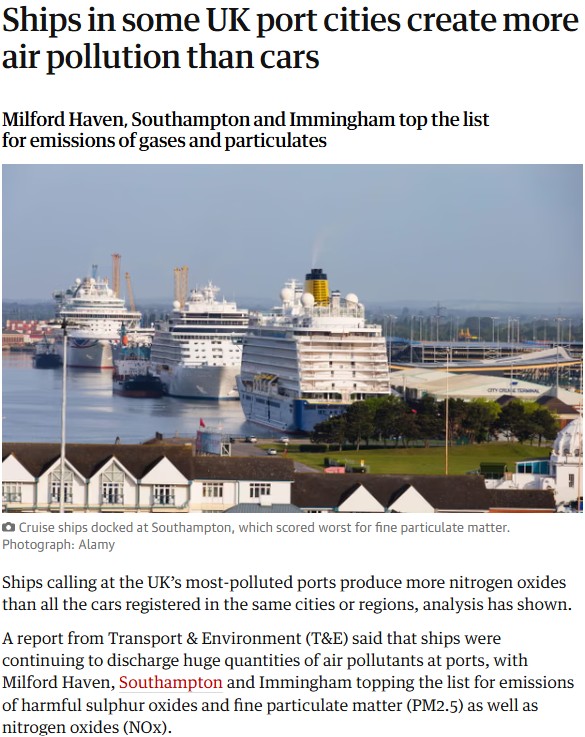
▶ Air Pollution :
Yachts often use diesel with higher sulfur content than car fuel, releasing dangerous black carbon and nitrogen oxides. The NGO Transport & Environment notes that cruise ships and superyachts in Europe emit more sulfur oxides than all the continent’s cars combined.
▶ Marine Ecosystem Damage :
Underwater noise from powerful engines disrupts communication among marine mammals like whales, while anchors dropped in scenic coastal areas can destroy coral reefs. Untreated wastewater dumping is also a persistent issue.
Ultimately, the superyacht debate raises a fundamental question: how far can the private freedom of a tiny elite impact the planet’s environment? Tech moguls who donate millions to climate change causes yet vacation on yachts that emit thousands of times the carbon of an average person illustrate a deep contradiction in modern capitalism. The shadow cast by these glittering floating palaces is heavier and darker than it seems.
'English' 카테고리의 다른 글
| There Is Only One Bridge Over the Amazon River (1) | 2025.08.17 |
|---|---|
| Bathroom Fashion Item? The ‘Black Toilet Paper’ of Middle Eastern Tycoons… Why It Ultimately Returns to White (0) | 2025.08.16 |
| Recent Scandals Shaking Japanese Sports (0) | 2025.08.14 |
| Racing Toward the Sky: Vertical Marathons (Towerrunning) Around the World (2) | 2025.08.13 |
| The Longest Bicycle in the World (2) | 2025.08.12 |


