K‑pop is not merely “popular music made in Korea”—it is a global cultural phenomenon reshaping the entire music industry. In other words, it goes beyond music itself.
Foreign media often define K‑pop not as a specific genre, but as a "Total Art System" or "Industry Model", combining multiple elements in a single package.
International experts analyze that K‑pop becomes truly complete when four core elements organically integrate:
Musical Hybridity
K‑pop is known for blending pop, hip‑hop, R&B, EDM, rock, and almost every major mainstream genre into a single song. As BBC and Forbes have noted, “K‑pop cannot be defined by one specific sound; it’s more like a melting pot that absorbs all sounds and recreates something new.”

Maximization of Visual Performance
K‑pop is as much about what you see as what you hear. High‑quality, cinematic music videos, synchronized choreography performed by many members as one body, and fashion and visuals perfectly aligned with the song’s concept are essential features. The New York Times describes K‑pop performances as “not just dance, but a sophisticated visual language that conveys narrative.”
The Idol System and Fandom Culture
The idol training system produces performers who debut after years of preparation, and fandoms do much more than consume music—they buy albums, stream, vote, and support charity actions. Communities like BTS’s ARMY are often cited as a driving engine of K‑pop’s success.
Planned for a Global Audience
From the planning stage, K‑pop idols aim for global reach—mixing English or other languages into lyrics, including multinational members, and collaborating with international songwriters. This birth with a global mindset sets it apart from other national music industries.
From these characteristics also emerges another competitive strength: positivity and messages of hope.
Unlike many Western pop songs that deal with explicit sex, drugs, or violence, K‑pop’s major hits often explore themes like self‑love, overcoming adversity, pursuing dreams, and social solidarity. This makes K‑pop a music parents worldwide feel safe sharing with their teens. Publications like TIME and The Guardian highlight BTS’s Love Yourself campaigns as emblematic of K‑pop’s “positive influence.”
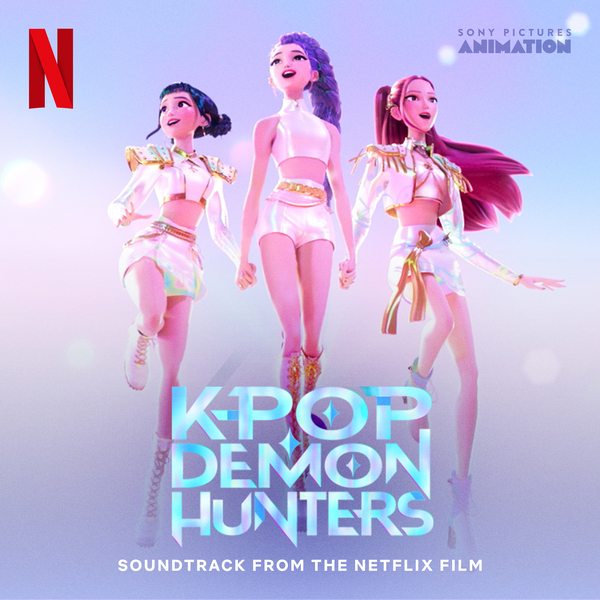
In this context, the success of groups like <K‑pop Demon Hunters>, currently enjoying immense popularity, exemplifies K‑pop’s formula. Their OSTs include hopeful lyrics like “find your light even in darkness, stand and fight,” and all members perform precise synchronized choreography. This transforms the experience from mere listening into a cultural force empowering fans to identify with protagonists and find courage.
As The Economist has analyzed, “K‑pop is the most efficient tool for elevating Korea’s national brand and expanding cultural influence.” K‑pop is a comprehensive content package, where music, visuals, storytelling, and fandom move as one. At its heart lies values of positivity and universality, which truly make K‑pop special.
'English' 카테고리의 다른 글
| Hawaiian pizza: the underdog among controversial pizza styles (0) | 2025.08.02 |
|---|---|
| Ranking of Airports with the Best Food (1) | 2025.08.01 |
| Food Superstitions Around the World (2) | 2025.07.31 |
| Average Penis Size by Country (1) | 2025.07.29 |
| Faker’s Contract Renewal and Mohammed bin Salman’s Intentions (2) | 2025.07.29 |


